
Rabbits
Poultry
Laying hens
Quails
Guinea pigs
Pigs
Ostriches
Sheep and goats
Pigeons
Pheasants
Forest animals
How long does a rabbit live?
Rabbits are among the most popular household pets. They can form a strong bond with humans and, with proper care, are surprisingly long-lived. One of the most common questions prospective owners ask is: how long does rabbit live? The answer depends on several factors – breed, genetics, environment, diet, and healthcare.
One of the most common questions future rabbit owners ask is: how long do rabbits live? The answer depends on several factors – breed, genetics, environment, diet, and healthcare. In general, domestic rabbits live on average 8 to 12 years. It is not uncommon for some individuals to reach 13–14 years of age if they have high-quality living conditions and regular veterinary care. In contrast, rabbits kept primarily outdoors without sufficient protection from weather and disease tend to have shorter lifespans. There is also a significant difference between a pet rabbit and a rabbit raised for commercial purposes.
Record-breaking rabbits
The current record holder is a dwarf rabbit with wild coloring named Mick. On February 9, 2019, this rabbit from the USA celebrated his 16th birthday, and the Guinness World Records recognized him as the oldest living rabbit on Earth at the time. However, he is not the oldest rabbit ever. That record belongs to Flopsy from Tasmania, who was captured in the wild in 1964 and lived to approximately 19 years of age.
Factors affecting lifespan
Breed plays a major role. Smaller breeds generally live longer than larger ones. For example, the dwarf rabbit is very popular due to its cute appearance and small size. Dwarf rabbits typically live 8 to 12 years, sometimes even longer. They are suitable for apartment living, but this does not mean they require less care. Even a small rabbit needs plenty of space, exercise, and mental stimulation. In contrast, large breeds such as the Flemish Giant often live around 6 to 8 years.
Diet as a key factor
Diet is crucial for longevity. The foundation of a rabbit’s diet must be high-quality hay, available at all times. Hay supports proper digestion and helps wear down continuously growing teeth. Rabbits should also receive fresh leafy greens, herbs, and a limited amount of high-quality pellets without unnecessary sugars. An improper diet can lead to obesity, diarrhea, bloating, or dental overgrowth — and health complications often significantly shorten lifespan.
The impact of spaying and neutering
Spaying/neutering pet rabbits is an important topic. This procedure is essential not only for preventing unwanted reproduction but especially for the animal’s health.
In females, there is a very high risk of uterine tumors, particularly after the age of three. Spaying significantly reduces this risk and can extend a doe’s life by several years. In males, neutering reduces aggressive behavior, urine marking, and stress. Veterinarians agree that neutered rabbits often live longer than unneutered individuals.
Environment and mental well-being
The environment in which a rabbit lives also plays a major role. Many people still believe that a small cage is sufficient. In reality, rabbits need plenty of space for daily exercise — ideally several hours of free roaming per day. Movement supports proper digestion, maintains optimal weight, and benefits mental well-being.
Rabbits are active and curious animals that need stimulation — tunnels, hideouts, chew toys, and interaction with humans.
Psychological well-being is often underestimated but very important. Rabbits are social animals. If kept alone, they require daily contact with their owner. Some breeders choose to keep rabbits in pairs, which may be more natural for them. Long-term stress, loneliness, or boredom can lead to loss of appetite, apathy, and subsequent health problems.
Veterinary care
Regular veterinary check-ups at least once a year should be standard. Vaccination against myxomatosis and rabbit hemorrhagic disease (RHD) is very important, especially if the rabbit has outdoor access or contact with other animals. Early detection of dental problems, parasites, or digestive issues can significantly affect lifespan.
So, if you are wondering how long rabbits live, the answer is: with proper care, quite a long time. Lifespan is influenced by genetics, breed, diet quality, exercise, preventive healthcare, and mental well-being. Whether you choose a dwarf rabbit or another breed, it is important to consider the long-term commitment. A rabbit is not a short-term pet for children, but a sensitive and perceptive creature that, with proper care, can be part of the family for ten years or more.
Caring for a senior rabbit
A rabbit aged 5 years or older can be considered a senior. Such rabbits require more individualized and regular care than younger ones.
Older (geriatric) rabbits are much more susceptible to illness, and recovery time is often prolonged, frequently due to newly arising complications. Although an older rabbit does not require as much activity and exercise as a young one, regular — even short — periods of movement are still recommended due to their positive effect on intestinal function.
Senior rabbits are particularly susceptible to Cheyletiella mite infestations and encephalitozoonosis, especially when exposed to stressors (e.g., high summer temperatures, drafts, etc.).
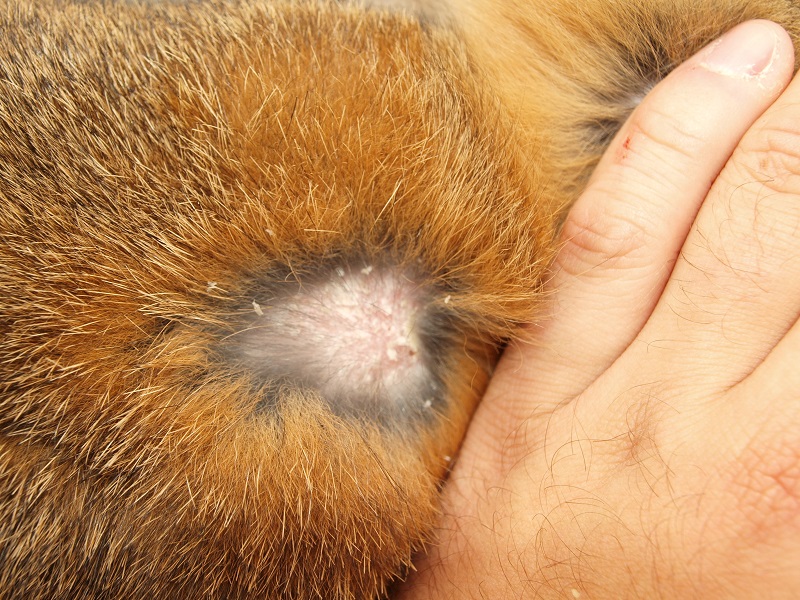
Fig. 1: Prevalence of cheyletiellosis is a common problem in older rabbits
Insufficient grooming, prolonged molting associated with reduced body condition, and mobility issues also occur more frequently. Therefore, it is necessary to pay increased attention to the care of older rabbits and strive to create the most comfortable environment possible for them.
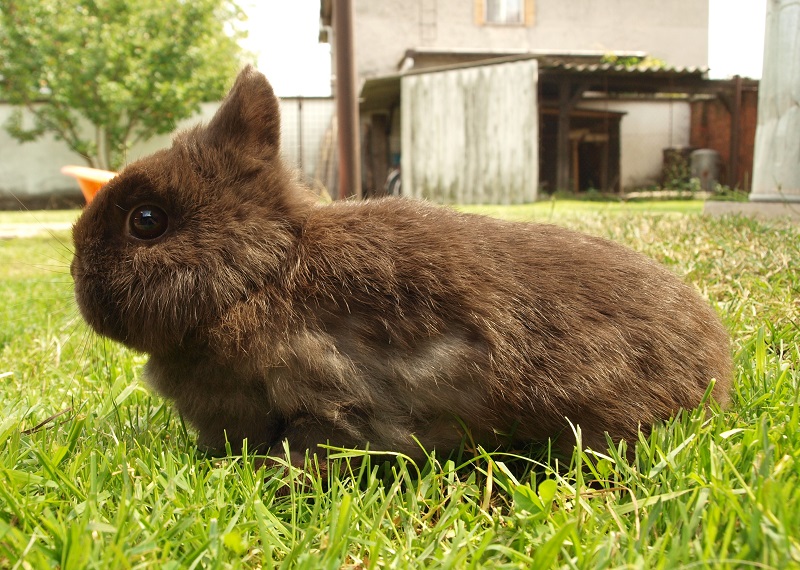
Fig. 2: Molting lasts longer in older rabbits
Investing in high-quality feed, appropriate equipment, and preventive care will reward you with a healthy and happy animal. A rabbit’s longevity is not a coincidence — it is the result of daily care and a responsible approach by the owner.
Frequently asked questions
-
How long do domestic rabbits live?
Domestic rabbits most commonly live 7–10 years, while smaller and dwarf breeds often live 8–12 years.
-
What factors influence a rabbit’s lifespan?
Lifespan is influenced by:
- Breed (dwarf breeds live longer)
- Size
- Genetics and responsible breeding practices
- Veterinary prevention (regular vaccination)
- Living environment (rabbits are sensitive to drafts and stress; they do better in sheltered housing protected from wind, with clean, low-dust bedding)
- Nutrition (high-quality hay, complete pellet feed, clean water, appropriate vitamin supplements, and avoiding overfeeding)
- Hygiene (regular cleaning of housing and water bottles, disinfecting the space)
- Sufficient space for movement
-
How long do dwarf rabbits live?
Dwarf rabbits live 7–12 years, depending on their living conditions.
-
What is the difference in lifespan between rabbit breeds?
Generally, large breeds live shorter lives than dwarf breeds. However, lifespan also depends on the environment and purpose for which the rabbit is kept.
-
How can I extend my rabbit’s lifespan?
A long life depends on proper nutrition, sufficient exercise, a clean environment, and disease prevention.
Related posts
23. February 2026
In small-scale livestock farming, smaller quantities of feed mixtures are often used. Therefore, it is not uncommon for a farmer to have some pellets or loose feed mixture left even after the (expiration) minimum shelf life date. Is it still possible to feed such feed to the animals?
10. April 2024
Keeping dwarf rabbits as pets is becoming increasingly popular. It does not require a lot of space and is ideal for people who live in smaller homes or apartments. Dwarf rabbits are also very friendly, so it’s no wonder that people are choosing them for this purpose more and more often. As with all animals,…
30. August 2022
In this article we will discuss several rabbit diseases – ear scab, tyzzer’s disease and heat stress.
24. August 2022
In this article we look at two diseases – e.Coli and enterocolitis.
2. August 2022
In this article we look at two common rabbit diseases, myxomatosis and infectious rhinitis.
Related products
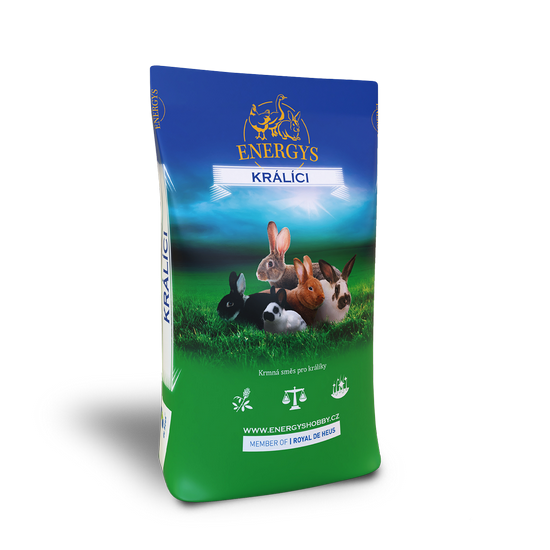
RABBIT DWARF
Complete pelleted feed for dwarf rabbits with high digestibility. It contains a high proportion of fibre (high alfalfa and grass cake content) and a reduced sugar and starch content. Contains flaxseed, which has a positive effect on coat quality. Suitable for daily feeding. We recommend providing rabbits with safe fresh water and hay.
RABBIT CHAMPION
Feed for show rabbits, does not include Coccidiostat. A unique mix significantly supports the quality and growth of fur. Serve when moulting and at least two months before the start of the show season.
RABBIT GOLD FORTE
A premium feed mix in an ideal make up for gestating and breast feeding females. For the intensive fattening of rabbits for a period of up to 5 days before slaughter. It supports fast growth, meat content and an excellent state of health. It contains a coccidiostat which lowers the risk of mortality.
RABBIT KLASIK FORTE
Intended for the fattening of rabbits up to a point at least 5 days before slaughter. Suitable for attaining a high meat content and an excellent state of health. Thanks to its Coccidiostat content it lowers the animals mortality.
RABBIT KLASIK
For the final phase of rabbit fattening, a minimum of 5 days before slaughter. It supports high meat content and excellent taste qualities in rabbit meat. Without a coccidiostat.
RABBIT START
For young rabbits from the start of accepting feed to 4-6 weeks after weaning. The feed helps to significantly lower the death rate in the period around weaning. It contains a raised percentage of fibre and less starch. It does not contain a coccidiostat.