
Rabbits
Poultry
Laying hens
Quails
Guinea pigs
Pigs
Ostriches
Sheep and goats
Pigeons
Pheasants
Forest animals
Sprouted cereals in animal nutrition
Sprouted cereals are a simple way to enrich the feed ration, especially for poultry. Thanks to the germination process, nutrient digestibility increases and their availability improves. However, they are not a substitute for a complete feed mixture, but rather a suitable supplement when used properly and hygienically.
During germination, enzymes (digestive substances) are activated, starches and proteins are broken down into simpler forms, and the content of certain vitamins (especially B vitamins and vitamin E) partially increases. The amount of substances that reduce mineral absorption, such as phytates, also decreases. As a result, animals can utilize some nutrients more efficiently.
For hobby breeders, sprouted cereals represent a feed supplement mainly for poultry, where they can support feed intake and improve digestion. However, sprouts do not replace a complete feed mixture, as they contain lower levels of minerals and energy.
Nutritional benefits in poultry
In poultry (hens, ducks, geese, etc.), sprouted cereals are most commonly used as a supplement to compound feed.
Main benefits:
- improved digestibility of proteins and starches,
- support of the microbiome – improved digestion and nutrient absorption,
- B vitamins and vitamin E – may improve health status and feather quality,
- increased feed intake (palatability).
Practical use:
- add 10–20% of the daily feed ration, never as the main component,
- offer fresh and rinsed sprouts to minimize the risk of mold,
- combine with a balanced feed mixture containing minerals, energy, and essential amino acids.
Which sprouts are suitable for poultry?
Sprouts of barley, wheat, oats, and millet can be used for poultry, but they differ in nutritional value and appropriate inclusion rates. Barley and wheat are easily digestible and suitable even at higher inclusion levels. Oats contain more fiber and fat and are therefore recommended only in smaller proportions, while millet is easily digestible and serves mainly as a supplement.
How to safely sprout cereals
Proper procedure is essential, as a moist environment promotes the growth of molds and bacteria.
Always:
- use untreated seeds,
- soak for 6–12 hours in cold water,
- transfer to a well-ventilated container (sieve or tray with holes),
- rinse 2–3 times daily with clean water during germination,
- maintain a temperature of 18–22 °C,
- sprout for 2–4 days depending on the cereal type,
- use within 24–48 hours, or store in a cool place for a maximum of 3–4 days.
Be alert if you notice any unpleasant odor or slime formation, as this indicates spoilage. Do not feed spoiled sprouts to animals.
Use in other animals
In other animal species, the situation differs. Rabbits require a diet high in fiber, especially hay, and a high proportion of moist sprouts may cause diarrhea. In pigs, sprouts are digestible, but their efficiency compared to conventional ground grains and complete feed mixtures is lower. In sheep and goats, small amounts of sprouted cereals may slightly support rumen fermentation, but they should not replace roughage. Overall, sprouted cereals are most beneficial in poultry, where they positively influence feed intake and digestion.
Conclusion
Sprouted cereals can be a suitable supplement in poultry feed rations; however, they must be combined with a complete feed mixture, hygienic sprouting practices must be followed, and they should be fed in limited amounts. In rabbits, pigs, or ruminants, their efficiency increases only slightly and they should not replace the “main” feed.
Sources used are available from the author, Ing. Lucie Humeni.
Related products
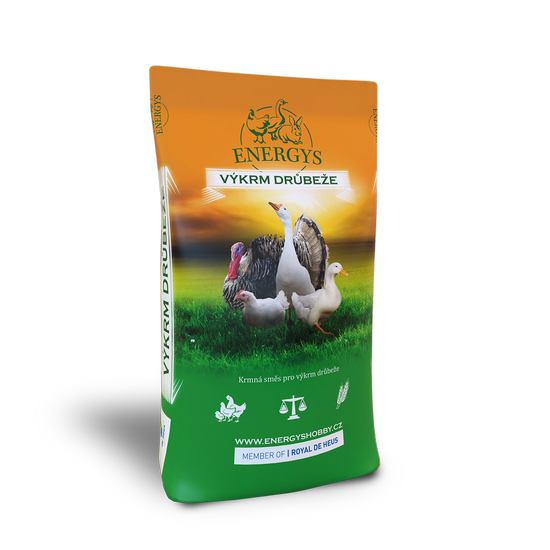
POULTRY UNI 30
A mashed concentrate for fattening of all categories of poultry, which includes the highest quality soja. It is mixed with cereals in a ratio of 20-40% (by type or phase of fattening). It contributes to fast growth and a high meat content. It does not contain coccidiostats.
BROILER MAXI
Feed for the final phase of fattening broilers. Supports a high meat content and a delicate meat taste. Start using it 5 or more days before slaughter. Does not contain coccidiostatics.
BROILER MIDI FORTE
A granulated feed mix for the intensive fattening of broilers from 15 days of age to a minimum of 5 days before ending feeding up. The Coccidiostat included lowers mortality during fattening. For the next phase of fattening Broiler MAXI is a suitable mix.
BROILER MINI FORTE
A ground feed mix with Coccidosistats, for the intensive feeding of broiler chickens up to 14 days of age and a support to fast growth a an excellent state of health in your broliers-
DUCK MINI
A high quality ground mix for fattening ducks and geese up to their 2nd week. It is suitable for fast growth and high meat content.
TURKEY MAXI
Feed for the final stage of turkey fattening. Use from the 13th week of age. It does not contain a coccidiostat.
TURKEY MIDI FORTE
A high quality granulated feed with coccidiostats for feeding turkeys from 5 to 12 weeks of age. It is the basis for fast growth, high meat content and an excellent state of health of your turkeys. The coccidiostat content lowers mortality during feeding. It continues on from feeding with Turkey Mini Forte. The live weight for turkeys at the end of this period should be around 5.9 kg for hen turkeys and 8.9 kg for cocks.
TURKEY MINI FORTE
A ground mix with Coccidiostats for fattening turkeys up to an age of 4 weeks. It is the basis for high meat content. Afterwards use the Turkey Midi Forte mix.
DUCK MAXI
A granulated mix for feeding ducks and geese from 3 weeks of age up to slaughter. The nutrients it contains support fast growth , a high meat content and a delicate meat taste.
Related products
POULTRY UNI 30
A mashed concentrate for fattening of all categories of poultry, which includes the highest quality soja. It is mixed with cereals in a ratio of 20-40% (by type or phase of fattening). It contributes to fast growth and a high meat content. It does not contain coccidiostats.
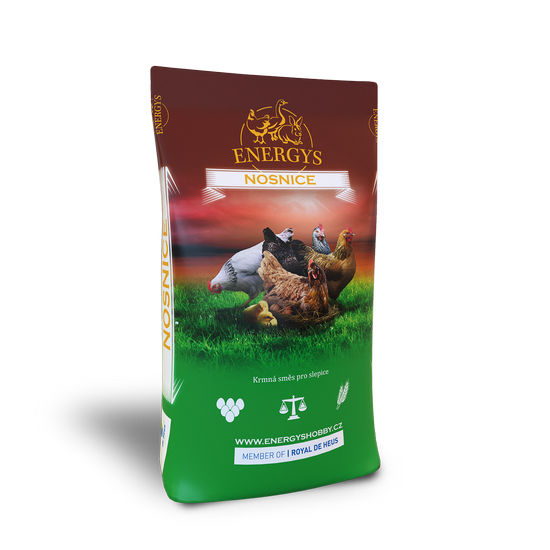
LAYER REPRO
Granulated feed for laying hen breeds. Supports higher hatching rates and the successful development of the embryo. Higher content of chosen substances). The laying hen must have access to an adequate amount of potable water.
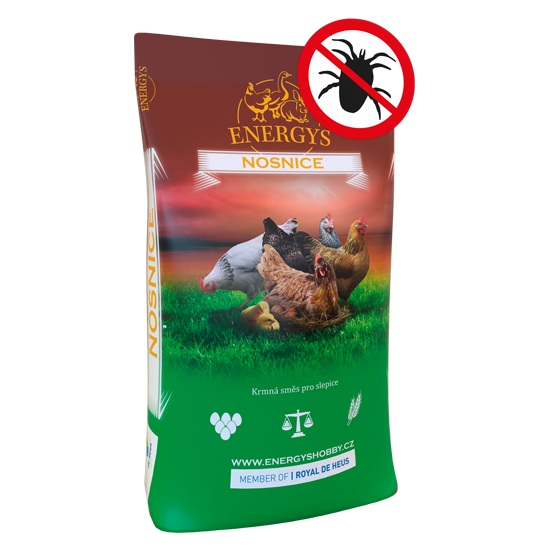
LAYER GOLD
Granulated feed for laying hens. Supports high egg production with strong shells and beautiful yolk color. Enriched with a complex of natural substances that combat chicken mites, promote detoxification, liver health, and prevent intestinal parasites. Follows on from the Chicken MIDI feed mixture. Feed year-round for long-term protection.
LAYER KLASIK
A powered feeding mix intended for laying hens. With its rough shredded structure it contributes to maximum usability.
CHICKEN MIDI
From the 5th week to the end of the 20 week old chickens. It follows on from feeding with the Chicken MINI feed. Through its make up it helps in the correct development of the organism and with future high usability. It doesn’t contain coccidiostats. It is produced in two forms, granulated and powder.
CHICKEN MINI
A crumbled compound feed without anti-coccidiosides. Suitable for reared chickens of the laying hen type till the end of their 4 weeks of age. It contains a balanced ratio of nutrients supporting the correct development of chickens. For weaning chickens the following mix is CHICKEN MIDI.
Related products
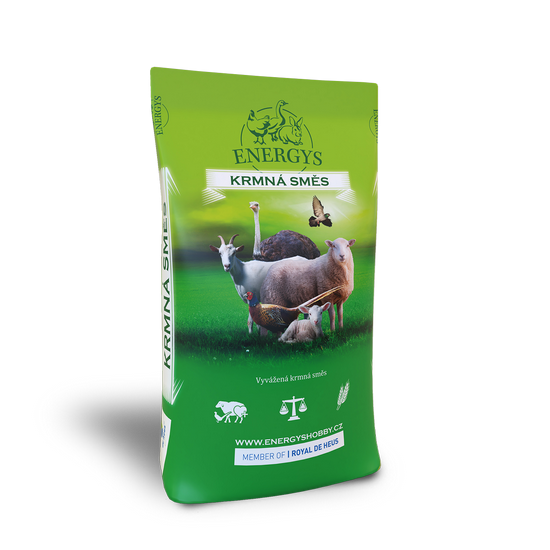
SHEEP UNI
A supplementary feed mix for weaning and fattening sheep and goats. It can also be used for lamas. The feed is treacled and also suitable for gestating and milking animals. The substances contained in it support their excellent state of health a required breeding results.
LAMB
A starter for lambs and kids suitable from the first week to the 3rd week of age. First it is added to milk, later it is combined with hay. It supports the growth of a paunch, the growth of bones and muscle.